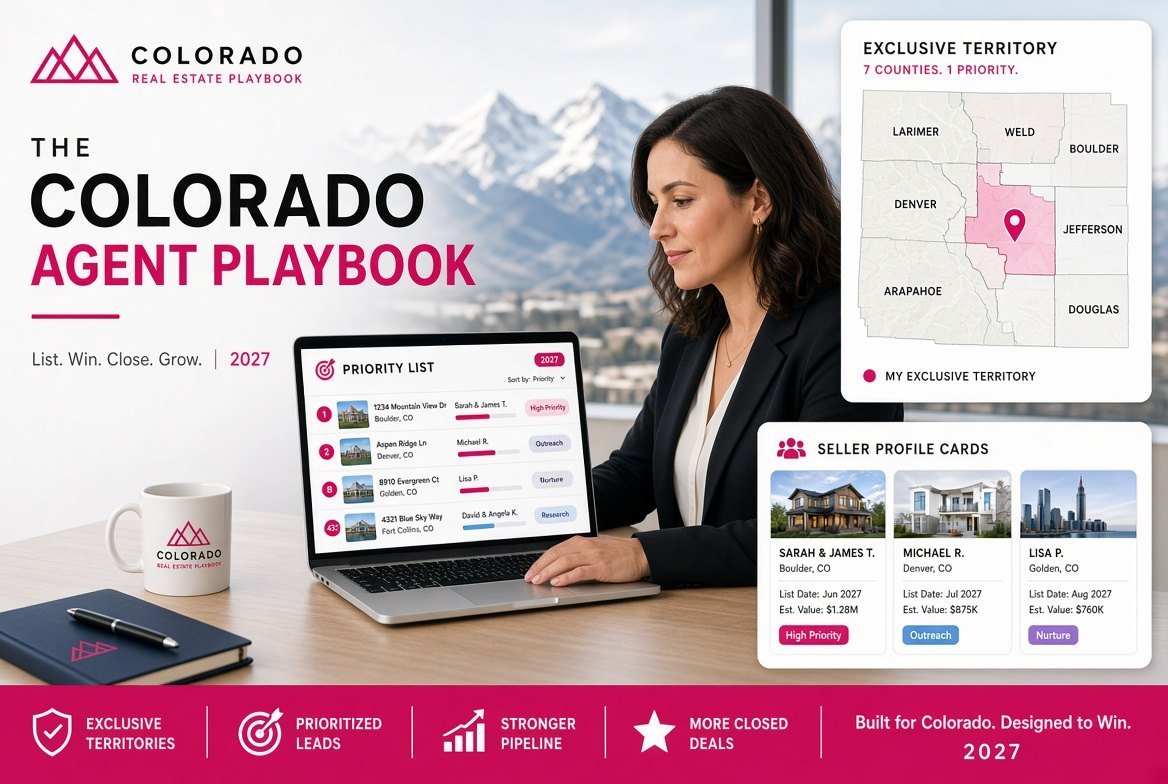

Executive Summary: As December 2026 unfolds, a very specific segment of the Colorado real estate market is experiencing profound financial anxiety: the amateur real estate investor. For the "Accidental Landlord" holding a single-family rental (SFR) or condo, the end of the year brings a harsh reckoning with their CPA. Rising property taxes, soaring HOA special assessments, and flat rent growth have decimated net operating income (NOI). This 800+ word strategy guide details how elite agents are abandoning retail holiday marketing to focus on B2B (Business-to-Business) outreach. By leveraging TimeToSell.AI to identify TIRED_LANDLORD and CAPITAL_ROTATION_INVESTOR profiles, you can deploy the "Year-End ROE Audit" to capture these listings and sequence highly profitable 1031 Exchanges for Q1 2027.
1. The Q4 Cap Rate Collapse
To capture investor listings, you must speak the language of capital allocation. Many Colorado property owners who turned their starter homes into rentals in 2019 or 2020 felt like financial geniuses. They had a 3% mortgage and strong cash flow.
In December 2026, the environment has inverted. While the mortgage remains fixed, the uncontrollable operating expenses have skyrocketed. When these owners sit down to compile their end-of-year P&L statements, they will realize that one major repair—or a 40% jump in landlord insurance premiums—has wiped out their entire annual profit.
They are holding highly appreciated assets that yield almost no monthly cash. This is the definition of a toxic capital allocation, setting the stage for the Investor Exit Wave.
2. The "Dead Equity" Realization
Your job in December is to help the investor realize they are holding Dead Equity.
Consider a condo in Aurora worth $450,000, where the owner owes $200,000. They have $250,000 in equity. If their net cash flow (after the new $500/month HOA dues and higher taxes) is only $150 a month, they are making $1,800 a year on a $250,000 asset. That is a Return on Equity (ROE) of less than 0.75%. They would literally make more money keeping that equity in a basic high-yield savings account, with none of the tenant headaches.
3. Executing the Year-End ROE Audit
You cannot find these owners by knocking on doors because they don't live at the property address. You must use Predictive Opportunity Origination.
Step 1: Data Targeting
Log into TimeToSell.AI and filter your Territory Farm. Set the parameters to:
- Absentee Owner: Tax mailing address differs from property address.
- Tenure (5 to 12 Years): Long enough to have accumulated massive equity, but close to the exhaustion of initial depreciation benefits.
- Asset Type: Target condo and townhome corridors first, as these are ground-zero for HOA assessment shocks.
Step 2: The B2B Outreach Script
In mid-December, send a professional, FedEx-delivered executive brief to their primary mailing address.
"To the Managing Member: As you finalize your 2026 tax planning, I am advising portfolio owners in [County] regarding severe Cap Rate compression for attached and single-family rentals. Due to recent insurance and tax escalations, my data indicates your asset at [Rental Address] may be operating at a Return on Equity (ROE) below 2%.
Before the New Year, I am offering a complimentary Year-End ROE Audit. We will model the exact net proceeds of a retail disposition and explore a tax-deferred 1031 Exchange into a passive, higher-yielding commercial asset (like a NNN lease or DST). Let's schedule a brief capital review call before you meet with your CPA."
4. The 1031 Exchange Pipeline
When the tired landlord agrees to sell, they are immediately confronted with the fear of Capital Gains taxes. If you simply act as a listing agent, you fail to solve their primary problem.
You must step in as the Deal Architect. (See our guide on The Portfolio Upgrade).
In December, you sequence the move:
- Identify the Destination: Partner with a Qualified Intermediary (QI) and present the seller with options for Delaware Statutory Trusts (DSTs) or passive commercial properties. You secure their "Up-Leg" target before you list their rental.
- The Two-Path Listing Memo: Present the Two-Path Memo for the rental property. Path A: Sell occupied to an investor (fast, slight discount). Path B: Wait for the lease to end, execute a light cosmetic refresh, and sell to an owner-occupant in Q1 for a premium.
Conclusion: Graduate to Wealth Advisor
By executing the Year-End ROE Audit, you cease to be a standard residential agent. You elevate your value proposition to that of a strategic wealth advisor. December is the critical window to plant these seeds while tax anxiety is high. Source the 1031 exchange targets now, and you will harvest double-ended, high-net-worth commercial and residential closings throughout Q1 2027.
Don't let dead equity sit idle. Access your TimeToSell.AI dashboard today to filter for high-equity Absentee Owners and launch your Year-End ROE Audit campaign.