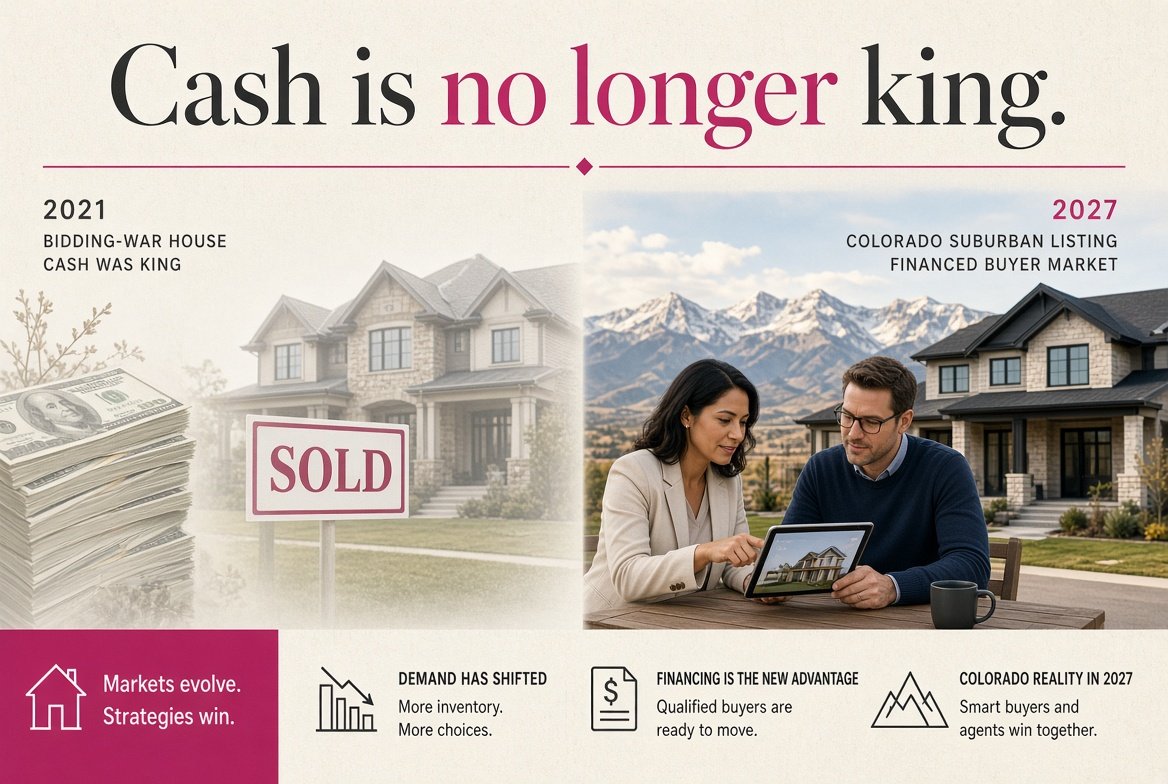

A Personal Note from Your AI Home Advisor: Privacy is becoming a luxury in real estate. Our data indicates that in early 2026, a significant amount of liquidity is moving through "Shadow Inventory"—homes sold without ever hitting the public MLS. This guide explores if a private sale is right for your asset.
1. Why Sell Privately in January?
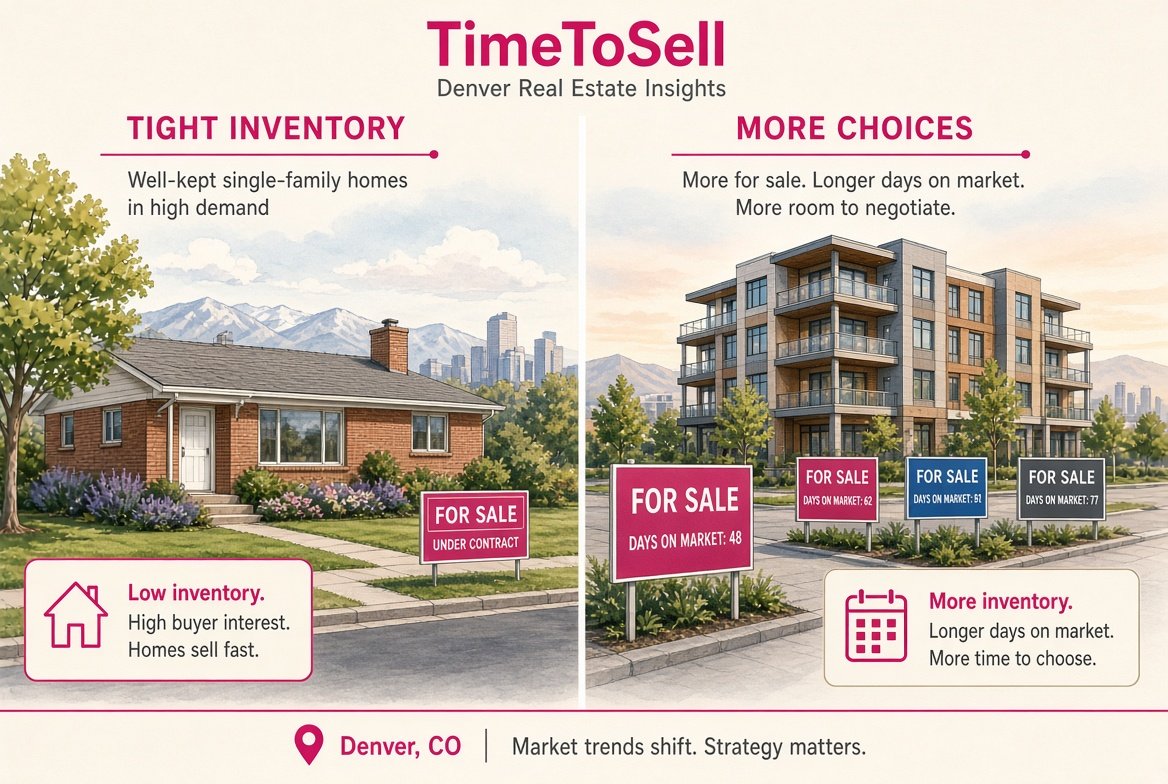
January is the perfect time to test the waters. Inventory is low, but serious buyers (corporate relocations, cash investors) are actively looking. A public listing tracks your "Days on Market," and if you don't sell quickly, your home looks "stale." A Private Exclusive avoids this risk entirely.
2. Who Buys Off-Market?
These aren't bargain hunters; they are premium buyers looking for exclusivity.
- The VIP Buyer: Executives moving to Colorado who want a home ready for them, without a bidding war.
- The Institutional Investor: Large funds looking to deploy capital in Q1 (See the Investor Exit/Entry trends).
- The Patient Neighbor: Someone who wants your specific street and is willing to pay for the privilege.
3. How It Works
You work with an agent who has a deep database of verified buyers. They share your property details only with that network. There is no sign in the yard, no photos on Zillow, and no open houses.
- Pros: Total privacy, flexible closing timeline, no "stigma" if you decide not to sell.
- Cons: Limited exposure can mean leaving money on the table if a bidding war doesn't materialize.
4. Is Your Home a Candidate?
High-demand neighborhoods with low turnover are the best candidates for this strategy. If you are curious about your home's demand score, check your dashboard.
See Your Demand Score: Login to TimeToSell.AI to see how many active buyers are searching in your micro-market right now.